A “Real” Writing Prompt

Flipping though some of my old journals the other day, looking for inspiration, a paper napkin fell out. The words scribbled on it were in the handwriting and distinctive blue ink of my Advisor in the Lesley University MFA in Creative Writing, Brian Bouldrey (The Sorrow of the Elves, The Honorable Bandit). I can’t actually remember what we were talking about when he wrote those words down, but three or four years later, I found them a fun writing prompt and thought you might enjoy them too.

Once you start, don’t stop for twenty-five minutes, using the following however you like:

  • real eyes
  • realize
  • real lies

Let me know how it goes!

It’s All In The Metaphor

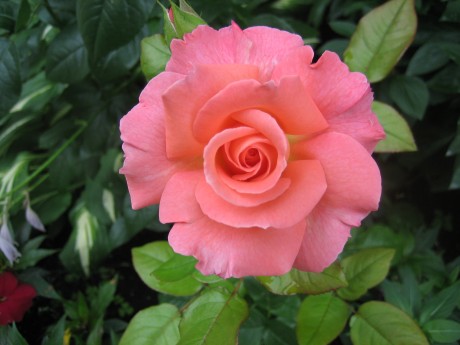
rose as metaphor

Love is…

I found Jane Hirshfield’s delicious lesson on The Art of the Metaphor, together with the animation by Ben Pearce, really brought home the immediacy and physicality a metaphor can have. Very inspiring. The door image at the end is fantastic and so evocative that I started writing on the spot. No brilliant metaphors at my fingertips, sadly. But I did find some great metaphors by famous authors here.

Do you think one has to work at creating a terrific metaphor? Or does it arrive on a thunderbolt of inspiration?

Have you tried using a metaphor – for example, one from the link above –  as a prompt for a writing exercise? How about Bob Dylan’s “Chaos is a friend of mine”? Imagine yourself arm in arm or drinking beer or on a road trip with your friend Chaos, I mean Charles, or setting him up with a date, or waiting for him to turn up at your wedding as best man…

Breathing to Write 2 – Writing Prompt

Here is the second in my series of movement/breathing/writing exercises.

First the breathing exercise:

  • sitting with your spine tall and away from the back of your chair, and your feet on the floor. Close your eyes. Put your right hand on the right side of your ribcage, left hand on left side. When you breathe in, you should feel your palms move away from each other, and when you breathe out, they come towards each other. Breathe quietly, focusing on this movement. After a while, try breathing only into your right side….only into your left side.
  • If you feel uncomfortable or dizzy when holding your breath in this second exercise, stop and breathe normally. If 4 counts feels too much, try 3. Breathe in for 4 counts (in, 2, 3, 4); Hold for 4 counts (hold, 2, 3, 4); Breathe out for 4 counts (out, 2, 3, 4); Hold for 4 counts (hold, 2, 3, 4). Repeat for a couple of cycles, then breathe normally.

Now the writing:

  • Select one of the following:

in the same breath

with bated breath

breathing down his neck

catching her breath

taking a deep breath

out of breath

holding her breath

under his breath

  • Writing from the prompt you’ve chosen, describe in detail where your character is, what is around him or her. What is the light like? Is it hot or cold? What can the character hear? Who are they with, or are they alone? Is anyone else there that they are not aware of? If so, where is that person in relationship to your character? Let the story emerge gradually.

How did this work for you? I’d love to know. Please let me know in the Comments box below.


Surfing the Narrative Wave (part 1)

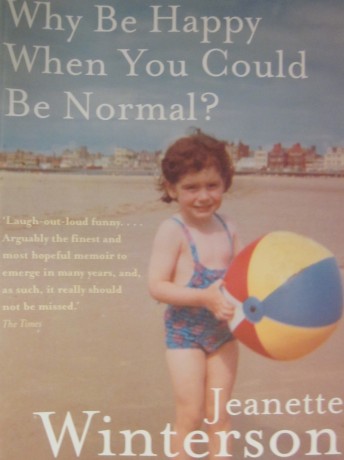
cover of Why Be Happy When You Could Be Normal by Jeanette Winterson

I am trying to read Jeanette Winterson‘s autobiography “Why be Happy When you Could be Normal?” as slowly as I can in order to enjoy it for as long as possible. But it’s not easy. As I read, I feel as I though I’m on a surfboard, being carried along by a massive wave. Once I start reading, there’s no stopping.

How does Winterson create this narrative surge? Continue reading

After the First Draft – Next Steps

So there you have it: a first draft of your short story. What now? What’s the next step?next steps - prints in the snow (2)

In a previous post  I wrote about my struggle with how to continue with first drafts, especially those that had no clear ending, and how I learned to ‘dig deeper’.

Dig deeper. What does that mean? Continue reading

Breathing to Write – writing prompt

bubbling stream and iciclesAs always with my workshops, I started last week’s session for the Montreal Branch of Canadian Authors Association with some somatic exercises. I enjoy how the exercises energize and relax, and especially how they shift attention from the ever-present lists of ‘must-do’, ‘mustn’t forget’ and ‘what time is it?’ of everyday life to the here and now of simply being in the moment – perfect preparation for writing.

Today I thought I’d use one of my favorite somatic exercises as a writing prompt. Continue reading

Lost Moments Found: Writing the Moment of Waiting

flight to Bella BellaLike everyone else, my life is full of moments of waiting – at the doctor’s or dentist’s, at a bus or train station, for a flight, for my loved ones! Ideal times for writing, right? Not for me. I find it very difficult to write creatively unless I know I have a good long chunk of time ahead when I know I will not be disturbed. This is partly because, I have to admit, it takes me so long to settle down to writing, but also because I need lots of time to lose myself in my story. And how can I let go and sink into the story when I have to watch the time or listen for a flight or train number or for my name to be called? But what a waste of good writing time!

I used to travel a lot for work and couldn’t bear not to use the hours of waiting Continue reading

In the Eye of a Deadline!

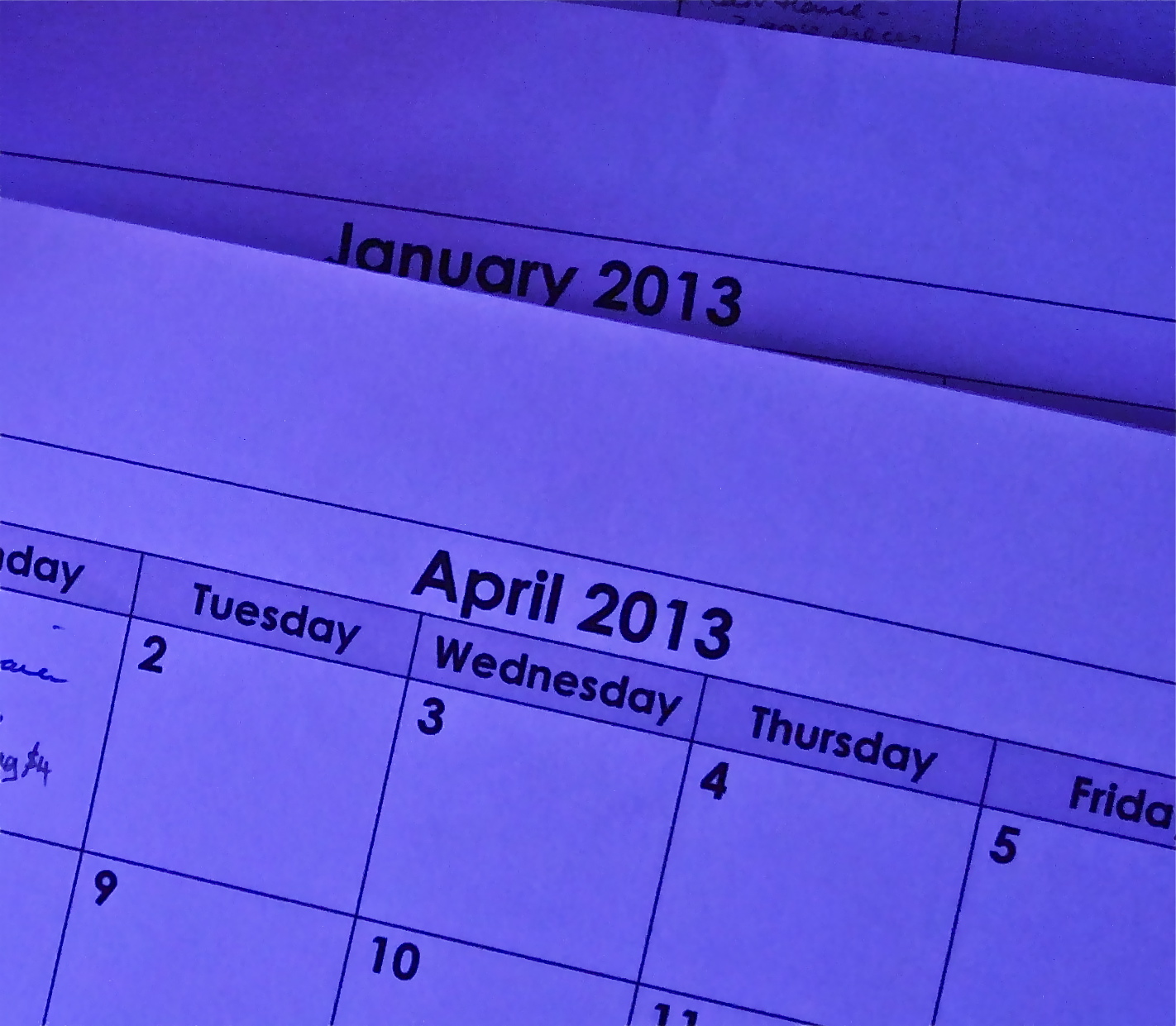
IMG_3576In December I print up a one month/one page calendar for the upcoming year. Any time I see a call for submission from a literary journal that I think might be an especially good fit for a story I’m working on, or one that is ‘resting’ in a file, I enter it in the calendar.

I’m a slow writer. It takes me months and sometimes even years to finish a story. I know I’m not going to make most of these deadlines, so why do I bother to keep a record? Continue reading

Freedom to Read Week

This week (February 24-March 2, 2013) is Canada’s 29th Freedom to Read Week (a project of Canada’s Book and Periodical Council). At Freedom to Read you will find posters, kits and suggestions for activities in your communities and classrooms.

I particularly like the idea of starting a Banned Book Club. The list of “challenged” books on the site includes Margaret Atwood’s “The Handmaid’s Tale” and Harper Lee’s “To Kill A Mockingbird”, two of my favorite reads. Do you know what books have been “challenged” in the schools and libraries in your area? Continue reading

Beyond Inspiration

“15 Innovative Ways (Big and Small) To Innovate” (The Globe and Mail’s March 2013 Report on Business) looks beyond the ‘flash of inspiration’ to examine how certain companies have managed to stimulate ideas and bring them to successful fruition. Here are just three of the pointers that instantly caught my attention. Continue reading